Derivative trading comprises of trading steps or processes similar to stock trading on the stock exchange where investors place orders to buy or sell through brokers. These brokers are required to be member companies on the futures exchange. When an investor sends a buy/sell order through their broker, the broker will then send the order to the trading system of the futures market, prompting the futures contract trading exchange to act as a center matching buy/sell order using its electronic systems. Once buy/sell orders have been matched, details of such transaction will be sent to Thailand Clearing House (TCH) to perform a settlement. TCH is responsible for calculating the profits and losses that occur on a daily basis and overseeing payments and disbursements. This settlement occurs 1 day after an investor buys or sells on the futures market (T+1).

Derivatives services
What to know about margin requirements before you start investing
Those who wish to invest in futures contracts are required to set aside a specific amount of margins in their accounts in order to be eligible for investment. There are 3 types of margins:
Initial Margin (IM)
The initial amount investors must deposit and keep on hand with their brokers to buy or sell futures.
Maintenance Margin (MM)
The amount of margin that investors are required to maintain in their accounts according to the required threshold or 70% of the initial margin
Force Close (FC) Margin
The minimum amount customers need to maintain during each day. If your margin falls below the required force close at 30%, your contracts may be forced closed during the day.
How to open a derivatives trading account
1 copy of your ID card
1 copy of your bankbook with account statements of the past 3 months
1 copy of your house registration document
Application form for an account and futures contracts
255 - 257, 2nd Floor, Yaowarat Road, Samphanthawong Subdistrict/District, Bangkok 10100
Tel: 02 112 2222, press 6
Business hours: Monday – Friday from 9:00 AM - 5:00 PM
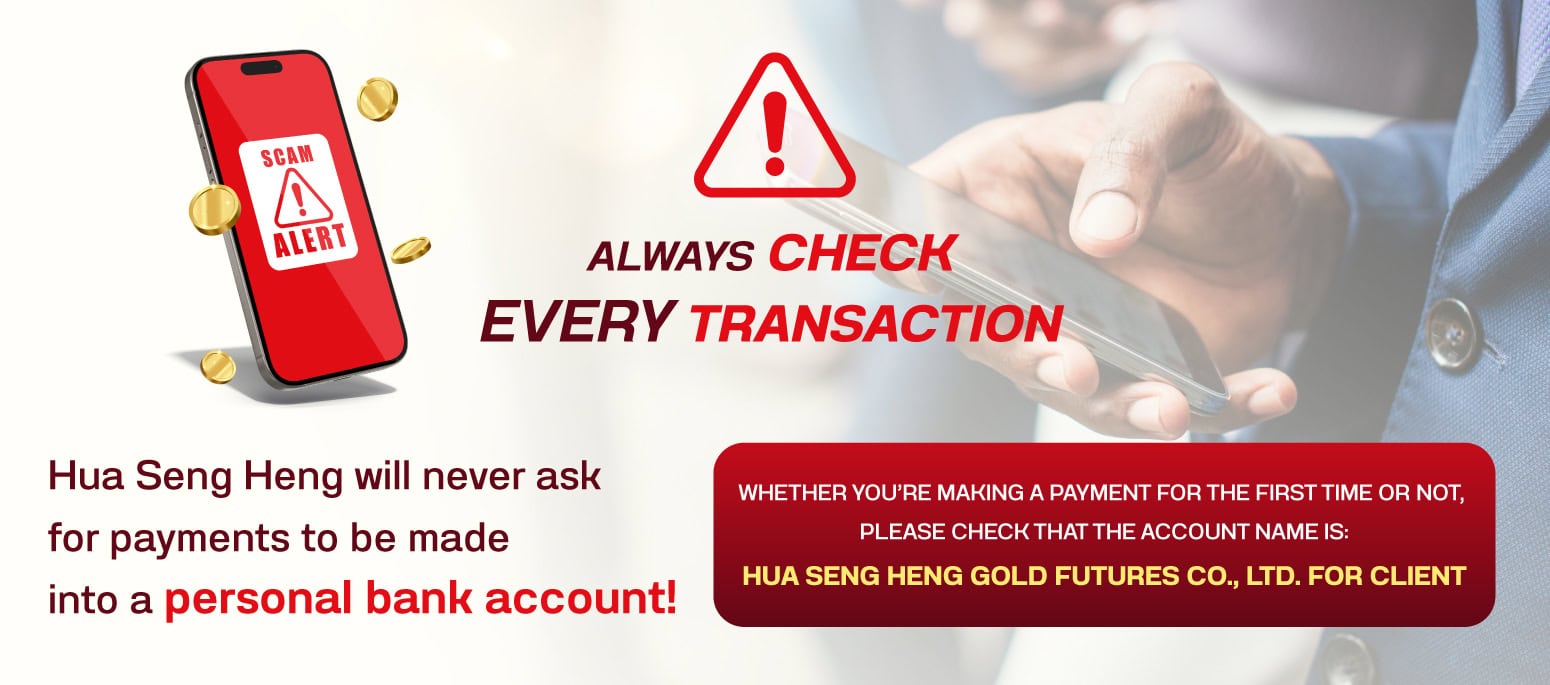
For the security of the transaction:
Please ask for bank account numbers for payments and margins for futures
contracts from our staff at:
Tel. 02 112 2222 ext. 6
Download the Streaming application on App Store (iOS) and Google Play Store (Android).
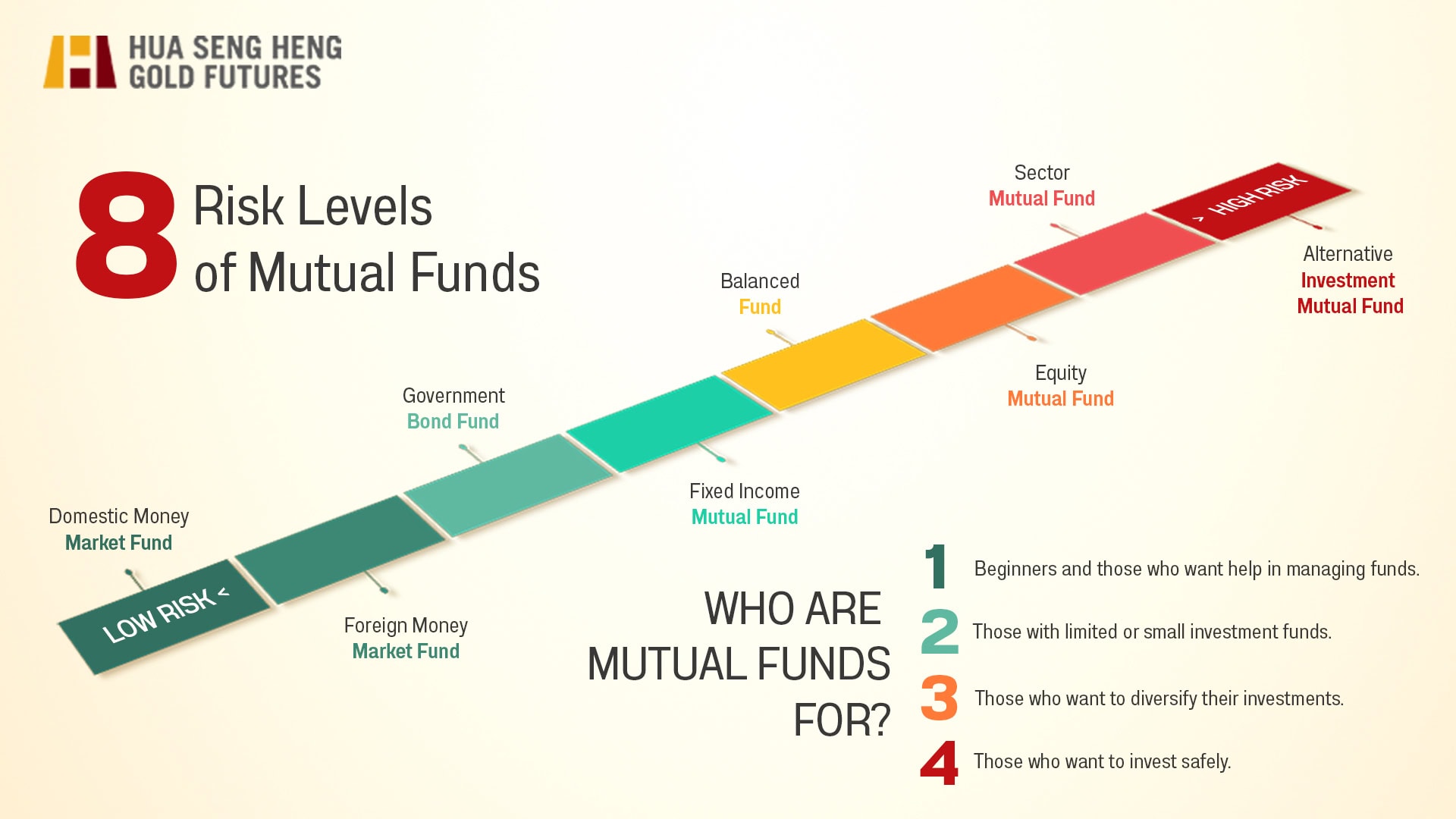
What are mutual funds?
A mutual fund pools funds from investors through unit trust purchases for the purposes of policy-based investment. A fund manager is an expert responsible for fund management and its growth, resulting in returns for investors.
There are a variety of investment policies in mutual funds, so you can choose your investment based on your preferred level of risk under the regulation of Securities and Exchange Commission (SEC).

Mutual fund advantages
- Funds managed by experts
- Ability to invest with relatively small amount of funds
- A variety of investment options
- High level of liquidity with the ability to sell unit trusts for cash when needed
- Secure investment under the oversight of SEC
- Investment diversification
- Tax reductions with mutual fund purchases